Learning Pathways for Every Stage
From first weeks to school readiness — a continuous, research-led journey grounded in play, curiosity, and genuine relationships.
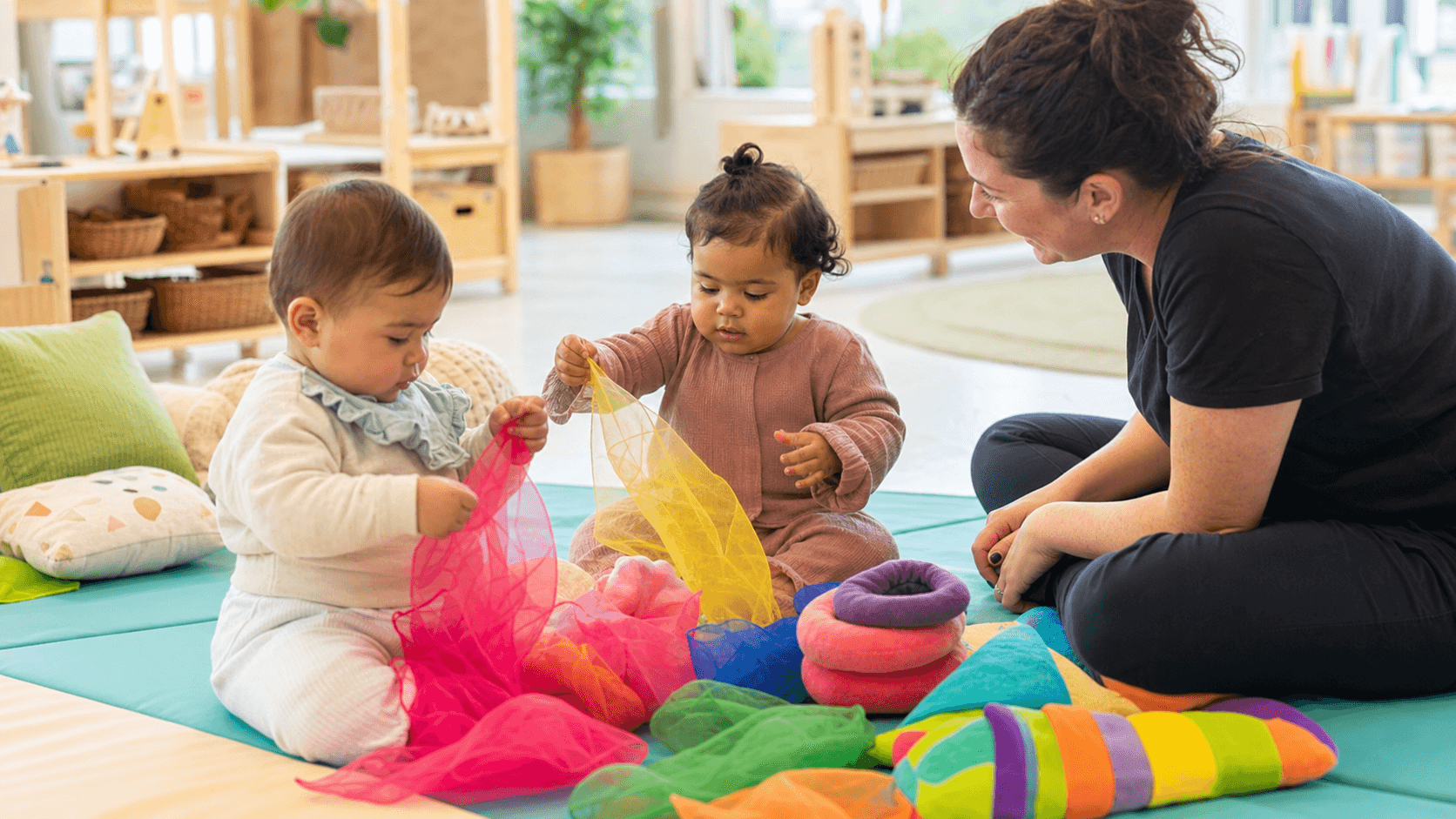
A Safe Beginning for Our Youngest Learners
The early years are a time of incredible growth and discovery. Our Nursery program provides a warm, secure and responsive environment where babies and toddlers build strong attachments, develop confidence and begin exploring the world around them.
Educators focus on:
- Secure and nurturing relationships
- Supporting individual routines and needs
- Sensory exploration and early communication
- Developing movement, curiosity and independence
Through gentle interactions, play and meaningful experiences, children build the foundations for wellbeing, trust and learning.
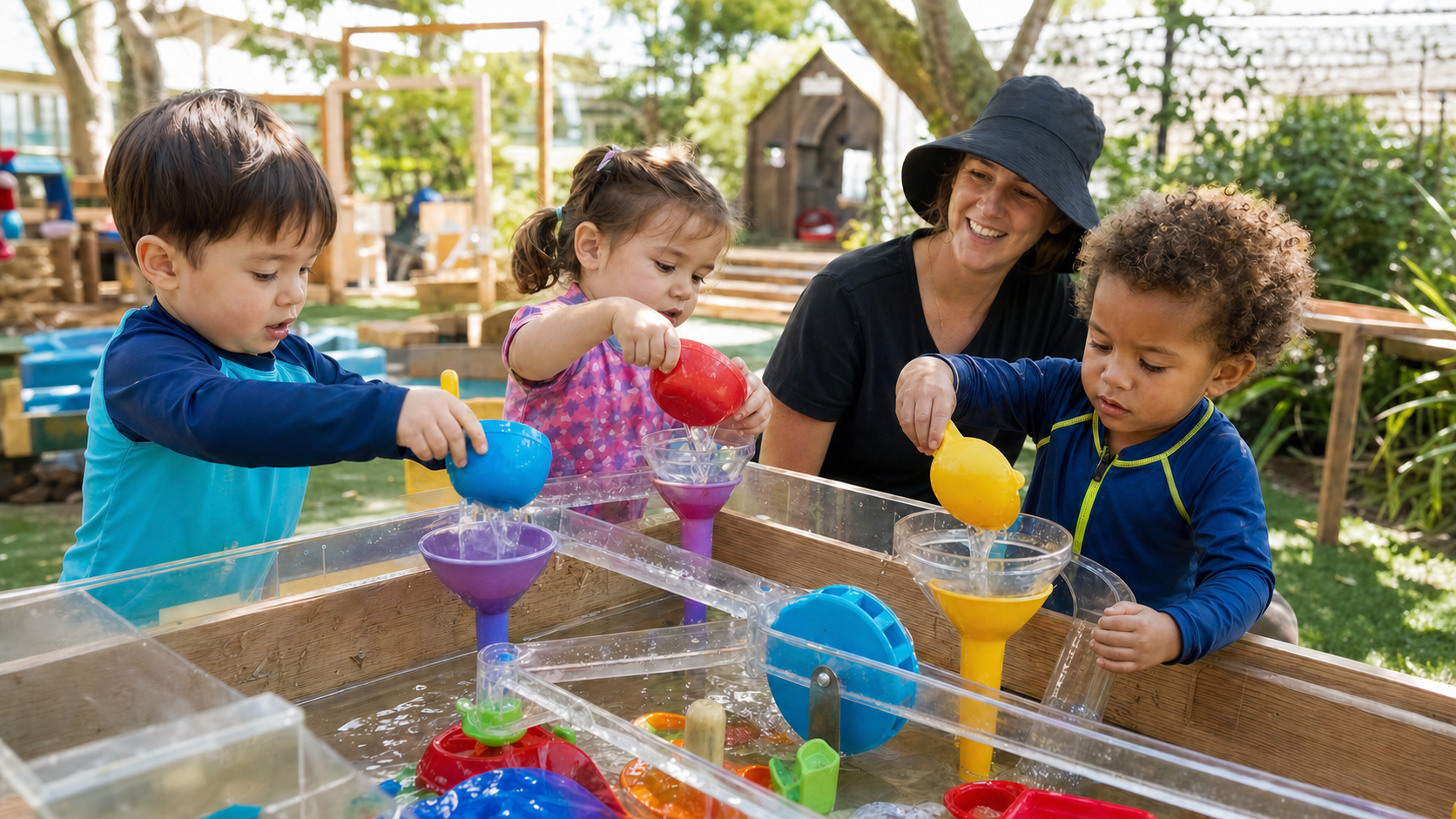
Growing Independence Through Exploration
Toddlers are curious explorers who are beginning to discover their independence and their place in the world. Through play, exploration and meaningful relationships, we support children to develop confidence, self-help skills and early social connections.
Educators encourage children to:
- Build independence through everyday routines and experiences
- Develop early friendships and learn sharing, cooperation and positive social behaviours
- Strengthen language and communication skills
- Explore ideas and develop early learning skills through play
- Express creativity through imagination and discovery
At Wonder Seed, we nurture toddlers' growing confidence and curiosity, helping them build strong foundations for lifelong learning.
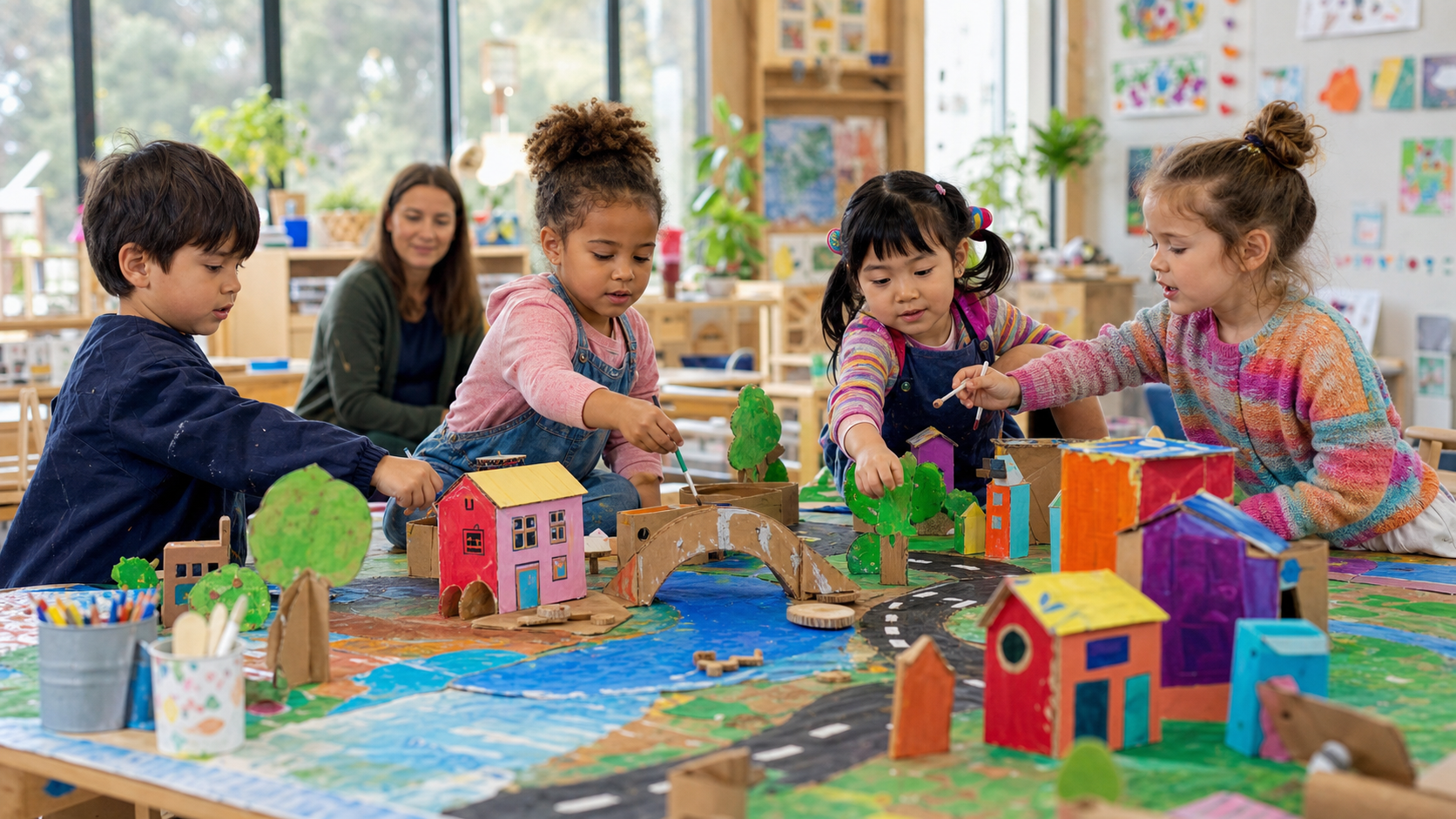
Confident Learners Ready for School and Beyond
The Kinder years are a special time for children to develop confidence, independence and a strong sense of belonging before starting school. At Wonder Seed, children learn through meaningful experiences that connect them with the world around them.
Children develop:
School Readiness
Building independence through everyday routines, caring for belongings, recognising their name, developing early literacy and numeracy skills, and becoming familiar with school routines.
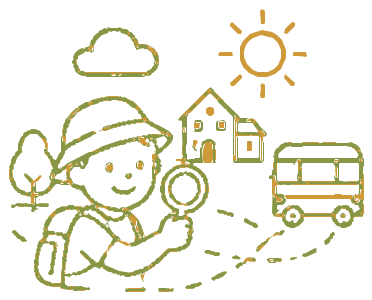
Exploring the World Around Us
Through excursions and incursions, children explore their local community and beyond, connecting learning with real-world experiences.
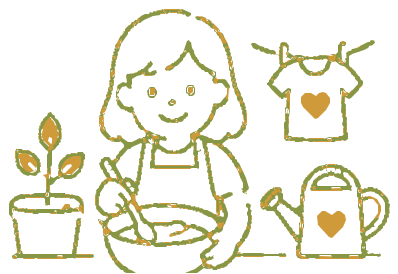
Practical Life Skills
Children build confidence and responsibility through cooking, gardening, caring for their environment and participating in everyday tasks.
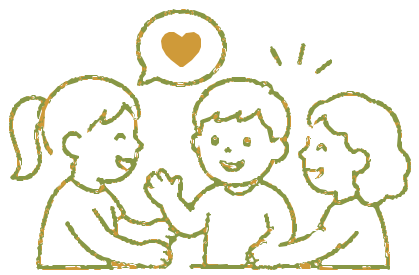
Social & Emotional Growth
Children develop friendships, cooperation, communication skills and confidence in expressing their ideas and feelings.
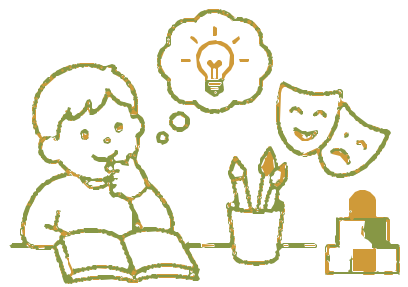
Inquiry, Creativity & Problem Solving
Through projects, storytelling, drama and creative experiences, children investigate ideas, collaborate with others and develop critical thinking.
Located beside a local primary school, Wonder Seed creates opportunities for children to become familiar with the rhythms of school life, build confidence and feel prepared for their next chapter.
Children’s Ideas Shape the Learning Journey
Reggio Emilia is not a set program that tells children what to learn each day. It is an educational philosophy that shapes how we see children, design environments and respond to their thinking. At Wonder Seed, it works alongside the Early Years Learning Framework and our educators’ professional knowledge.
Capable, curious children
We see children as active learners with ideas worth hearing. Their questions, theories and discoveries can become the starting point for deeper investigation.
A hundred languages
Children think and communicate through words, drawing, clay, construction, movement, music, light, nature and digital media. Each medium offers another way to test and express an idea.
The environment as teacher
Thoughtful spaces, open-ended materials and accessible resources invite children to choose, collaborate, revisit their work and make their learning visible.
Projects with depth
Small groups investigate meaningful questions over time. Educators add materials, experiences and expert knowledge so an interest can grow into rich learning across science, language, maths and the arts.
Listening and documentation
Photos, children’s words, sketches and educator reflections help us understand how thinking is changing, share the process with families and make intentional decisions about what comes next.
Learning through relationships
Ideas develop through conversation, cooperation and respectful disagreement. Children, educators, families, community and place all contribute to the curriculum.
What this looks like
From a child’s question to a shared investigation
When a child wonders why a bridge keeps falling, an educator does not rush in with the answer. They listen, document the children’s theories and help the group find ways to test them.
- 1Observe and listen
- 2Identify the children’s question
- 3Create an invitation to explore
- 4Investigate in small groups
- 5Document and interpret learning
- 6Revisit, represent and deepen ideas
This is purposeful, play-based teaching—not unstructured free play and not identical craft activities. Educators use open-ended questions, carefully timed support and regular reflection to connect children’s interests with literacy, numeracy, scientific thinking, wellbeing, creativity and social learning.